Beach Dune Ecology and Restoration
Beaches are a dynamic system
 Vascular Epiphyte Ecology
In tropical forests, epiphytes—air plants, such as orchids and bromeliads that live without any connection to the ground—are an important component of plant diversity. They serve a important roles in nutrient cycling, providing habitat for invertebrates, and offering food resources for birds. I study how epiphyte communities assemble in trees over time and the effects of climate and land use on epiphyte biodiversity.
F orest Dynamics
Disturbance and climate drive plant community structure. My work examines community dynamics and successional trajectories to make predictions about community response to changes in land use, disturbance regimes, and climate in temperate and tropical forests.
 Conservation Agroforestry
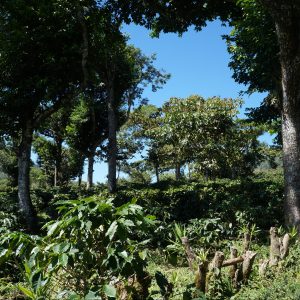
Agroforests, where crops are grown under the shade of trees, can offer key benefits over monocultures by providing ecosystem services, offering habitat resources to plants and animals, and offering subsistence resources like timber and fruit to sustain farmers. Some research has shown that agroforestry systems with multiple crops can increase total yields above growing crops individually. I work on both biodiversity and livelihood benefits of agroforestry.
Ecology Education
I used my interdisciplinary training to delve into the social construction of scientific knowledge and how it defines—and confines—scientific research today. The historic exclusion and erasure of ecological work by women and people of color, in particular, informs the current composition of ecological scientists at the highest levels as well as constraining the scientific questions that get asked. Similarly, a history of colonialism continues to infuse and percolate through our study of tropical ecology in numerous ways.
See projects.
 Jeannine H. Richards